top of page

The U.S. Startup Leader’s Guide

CEO & CTO Resource Hub for Building Better Software

Technical strategies to build AI-native applications, develop investor-ready MVPs, and scale market-ready SaaS. Built for founders making technical decisions.

Explore Popular Founder Questions

Blog img

LitLingo Raises $7.5M Series A for AI Communication Risk Management

LitLingo raised a $7.5M Series A for AI communication risk management. How strong product execution helped build investor confidence.

Blog img

The Road to Series B: From a Working Prototype to a Fundable Product

What every early-stage SaaS CEO actually needs to cross the gap between a working prototype and a fundable, scalable product.

Blog img

SaaS MVP Development Partner: Build with AI Without Technical Debt

Launch your SaaS MVP with an AI-enabled dev partner and fractional CTO guidance, without overhiring or creating technical debt.

Blog img

Scalable MVP: How to Build One with Limited Resources

How to build a scalable MVP with limited resources, using agile frameworks, automation and smart testing.

Blog img

Why Startups Fail: Paul Graham's 18 Mistakes That Kill Startups, and How to Avoid Them

Why startups fail: Paul Graham's 18 startup-killing mistakes, updated for SaaS CEOs and CTOs, and how to avoid them.

Blog img

Tech Stack Costs: A CFO Guide to Choosing a Scalable, Low-Cost Stack

A CFO's guide to choosing a tech stack: control costs, scale without rework, and shorten development time with a single JavaScript stack.

Blog img

Critical Events in Startup Growth: The Milestones That Decide What Scales

Every startup moves through critical events that decide what scales and what stalls. How to recognize them and prepare your product for each one.

Blog img

Tech Stack Cost Calculator: Is Your Stack Draining Your Startup's Budget?

Is your tech stack draining your budget? Estimate your startup's tech stack costs with our free calculator and real case studies.

Blog img

IoT Platform Modernization: How Amatis Moved from jQuery and React to Next.js

IoT platform modernization at Amatis: moving the web app from jQuery and React to Next.js so new features are easier to ship and maintain.

Blog img

Best Tech Stack for SaaS Startups: Why One JavaScript Stack Works

What is the ideal tech stack for SaaS startups? Why one JavaScript stack makes team communication efficient and avoids compatibility issues.

Blog img

Scalable Tech Stack for Startups: How to Choose One That's Fast and Low-Cost

How to choose a scalable, fast and low-cost tech stack for your startup: the languages, frameworks and tools that matter at each stage.

Blog img

Reusable Components: How to Streamline Frontend Development in SaaS

How reusable component libraries streamlined frontend development for a SaaS product. A client success story.

Blog img

How Many Developers Does Your Startup Need? Calculating Team Size and Cost

How many developers does your startup need? A practical way for CEOs, CTOs and founders to size the dev team and estimate its cost.

Blog img

Developer Onboarding: How to Shorten the Learning Curve in Complex Projects

Developer onboarding in complex projects: how a structured process shortened the learning curve, reduced delays and kept the team productive.

Blog img

Swimlane and Dynamic Routing Algorithms for Enterprise Process Mapping

How Truvle implemented dynamic routing and swimlane algorithms to visualize large enterprise processes clearly.

Blog img

Bulk Email Processing: How Returns on Demand Built a Scalable Queued System

How Returns on Demand built a scalable queued system to process high volumes of emails for e-commerce returns.

Blog img

No Dedicated QA Team? How to Keep Your MVP Stable Without One

No dedicated QA team for your MVP? How better testing and code reviews kept an MVP stable without one.

Blog img

Limited Customer Availability: How to Keep Development Moving Without Delays

Limited customer availability in meetings can stall development. How a structured communication strategy reduced the delays.

Blog img

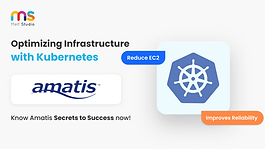
Kubernetes Infrastructure: How Amatis Went from 10 EC2 Instances to 2

How Amatis streamlined its infrastructure with Kubernetes, consolidating 10 EC2 instances into 2 and improving scalability and reliability.

Blog img

SaaS Market Integrations: How LitLingo Scaled Without Losing Stability

How LitLingo scaled its SaaS platform with market integrations while keeping the platform stable.

Blog img

PathWork Raises $3.5M Seed Round for Its AI-Powered Insurtech Platform

PathWork raised $3.5M to scale its AI-powered insurance platform. How Melt helped build the foundation investors backed.

Blog img

Boston Tech Week 2026: What the New MVP Taught Founders About Building with AI

Boston Tech Week 2026 showed that AI made building cheap, not judgment. What founders should take from the conference about the new MVP.

Blog img

The Monsters of Venture Capital: 10 Myths That Haunt Founders, CEOs and CTOs

10 startup myths that haunt founders, CEOs and CTOs, and how early-stage startups can turn venture capital into real growth.

Blog img

Why 95% of AI Pilots Fail, and What Startups Can Do Differently

MIT's report shows 95% of AI pilots fail to deliver business value. Why it happens and what startups can do differently.

Blog img

Meta's AI Hiring Freeze: Are You Spending More on Recruiting Than Building?

Meta's AI hiring freeze is a wake-up call for SaaS startups: a flexible, dedicated full-stack team often beats spending more on recruiting.

Blog img

Tech Stack ROI: How to Calculate the Return on Tech Decisions for SaaS Startups

How to calculate the ROI of tech stack decisions for SaaS startups, and how to get more from your development team investment.

Blog img

AI vs. a Dedicated Development Team: Does AI Really Cut It for Software Development?

Can AI replace a dedicated development team? Where AI automates the work, and where a dedicated team is still the more cost-effective option.

Blog img

From AI Prototype to Scalable SaaS Platform: How LitLingo Got Enterprise-Ready

How LitLingo turned an AI prototype into an enterprise-ready SaaS platform, the foundation behind its $7.5M Series A.

Blog img

Flutter vs. JavaScript: Which Tech Stack Is Better for Your Startup?

Why JavaScript instead of Flutter for your startup's tech stack? The key reasons for scalable app development and a faster-growing team.

Blog img

Full-Stack JavaScript Team: Why It Fits Early-Stage SaaS Startups

Why a full-stack JavaScript team suits early-stage SaaS startups: agile, efficient, and it extends your runway to reach business goals.

Blog img

Why Location Matters When Hiring Tech Talent: Time Zones and Dedicated Teams

Why location matters when hiring tech talent: teams spread across many time zones drain productivity, cost money and delay growth.

Blog img

Automated Email Parsing: How Returns on Demand Built a Scalable Data Extraction System

How Returns on Demand built a scalable email parsing system that extracts purchase data from inboxes automatically.

Blog img

Product Maturity Stages: A Roadmap from Prototype to Scalable Product

A roadmap to product maturity stages: align your product's stage with realistic development time estimates, goals and resources.

Blog img

SaaS Performance Optimization: Improving User Experience as You Scale

How to optimize SaaS performance for a better user experience: proven strategies from a case study to scale your startup efficiently.

Blog img

Real-Time Process Mapping Software: How Truvle Optimized State Management

How Truvle built real-time process mapping with optimized state management, using React, TypeScript and AWS to scale smoothly.

Blog img

Routing Algorithms for Reverse Logistics: The Returns on Demand Geolocation App

A React Native app with geolocation and routing algorithms that improved last-mile reverse logistics for e-commerce returns.

Blog img

How to Migrate from Cordova to React Native: The Amatis Mobile App

How Amatis migrated its Cordova mobile app to React Native, improving performance, user experience and maintainability.

Blog img

How to Solve Delays Caused by Unclear Customer Requirements

How to solve delays caused by unclear customer requirements with clearer communication and a structured development process.

Blog img

How to Cut IoT Infrastructure Costs by 50%: Amatis's Move to a Time-Series Database

How Amatis cut IoT infrastructure costs by 50% by moving 14M daily requests from MySQL to InfluxDB and improving scalability.

Blog img

HeadRace Raises $6M: Building an Investor-Ready MVP for a Recruiting SaaS

HeadRace raised $6M in seed funding after Melt delivered its investor-ready recruiting SaaS MVP on time. A case study for startup founders.

Blog img

Building Your AI SaaS Product Wrong Is Burning Your Runway: How to Fix It

The hidden cost US-based SaaS founders face in 2026 when building an AI product wrong, and the move that's saving early-stage runway.

Blog img

Tech News! OpenAI AgentKit vs. n8n and Zapier: What SaaS Leaders Need to Know

OpenAI's AgentKit is a new way to build AI agents. How it compares to n8n and Zapier, and what SaaS leaders need to know.

Blog img

Tech News! Nano Banana for Figma: How to Create AI-Generated UI Assets for SaaS Design

Nano Banana can speed up SaaS UI design: prototype and export visual assets with AI, even if you build the final UI in Figma.

Blog img

Builder.ai: What Happens When Your Startup Trusts AI Too Much

Builder.ai left startups without their source code. What happened, what it means for founders who trust AI too much, and how to protect your product.

Blog img

Ready-Made vs. Custom Tools: Tech Stack Choices for SaaS Startups

In SaaS, speed matters. Why build every ingredient yourself when quality ready-made tools get you to market faster? The analogy explained.

Blog img

Nearshore vs. Offshore Development: Which Is More Cost-Effective for Your Team?

Nearshore vs. offshore: which is more cost-effective for your tech team? Compare costs, time zones and collaboration before you decide.

Blog img

How to Integrate OAuth with the Gmail API in a Secure iOS App

How Returns on Demand integrated OAuth with the Gmail API in a secure iOS app and passed Google's security audit.

Blog img

How the Tech Stack You Choose Impacts Your Startup’s Runway?

How your tech stack choice impacts your startup's runway, and why one JavaScript stack keeps products fast, scalable and cost-efficient.

Blog img

Ruby vs. JavaScript: What Choosing Ruby Means for an Early-Stage SaaS Startup

Ruby over JavaScript for early-stage SaaS can impact scalability and speed. Learn how Ruby's features may affect your startup's growth and runway.

Blog img

How Software Analytics Helps Cut Operational Costs

How startups cut operational costs with server-side data analytics: what to measure, where the savings come from, and a real case study.

Blog img

Software Development Time Estimation: How Long It Takes to Build an App or MVP

A practical way to estimate how long it takes to develop an app or software project, from prototype to MVP, based on your roadmap and team.

Blog img

From Prototype to Secure Enterprise Backend: What It Takes to Be Investor-Ready

How to turn a prototype into a secure, robust enterprise backend, ready to raise funds. A case study for founders and CTOs.

Blog img

ReactFlow Canvas for Enterprise Process Mapping: How Truvle Built It for Performance

How Truvle built a high-performance canvas with ReactFlow and custom SVG for enterprise-level process mapping.

Blog img

Returns Automation: How Returns on Demand Built Automated Return Labels That Cut Costs

How Returns on Demand automated return labels with carrier integrations, so e-commerce returns scale without growing operational costs.

Blog img

Client-Developer Communication: How to Keep Software Projects on Track

Misaligned client-developer communication can derail a software project. How one team fixed it and kept delivery on track.

Blog img

Balancing Customer Priorities: How to Deliver Software with Limited Resources

Why balancing customer priorities is critical to delivering software with limited resources, and how one team made it work.

Blog img

Embedded Kubernetes for IoT: How Amatis Brought Its Platform to Sites Without Internet

How Amatis brought its IoT lighting platform to remote sites with no internet, using an embedded Kubernetes and Python appliance.

Blog img

Remote Process Documentation for Startups: How Truvle Built Team Collaboration into Its MVP

Remote process documentation for startups: how Truvle added teams, roles, seat-based billing and protected sharing to its process-mapping MVP.

bottom of page